How Participants Balanced Competition With Random Outcomes
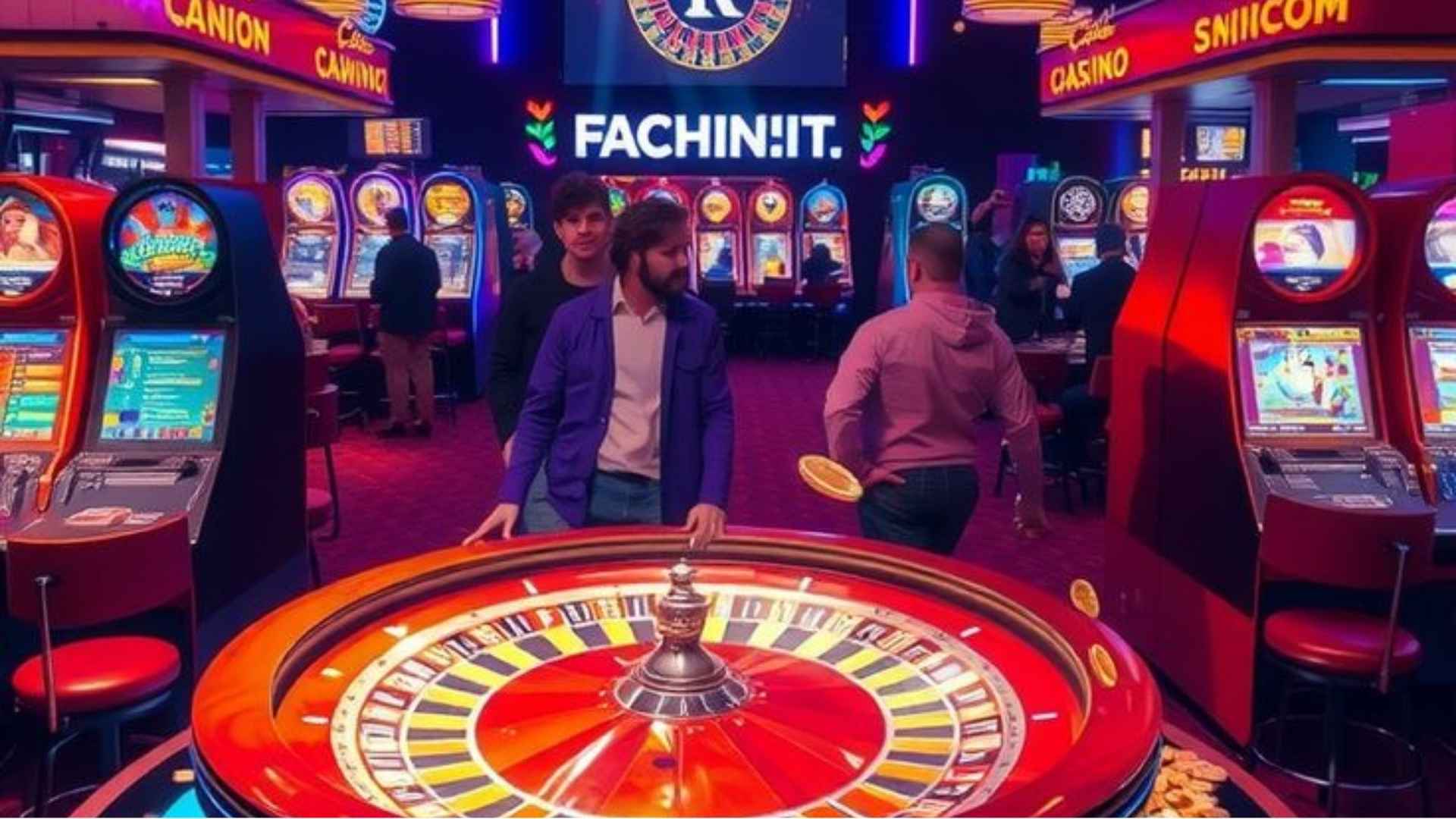
The intersection of skill and chance has defined the structure of competitive gaming environments for generations. While human strategy allows players to assert control, independent random events consistently introduce unpredictability that test mental resilience. Understanding how individuals navigate this delicate balance provides profound insights into the evolution of both traditional table formats and contemporary digital systems.
The Psychology of Strategic Adaptation
In high-stakes environments, players often encounter situations where pure mathematical calculation is disrupted by unexpected variables. True expertise develops when a participant learns to separate the elements they can control from those governed by pure probability. This adaptive mindset allows strategic thinkers to remain composed even when consecutive outcomes do not favor their initial plans.
Many analytical models suggest that successful engagement relies heavily on managing emotional reactions during a sequence of unpredictable results. Rather than seeking absolute predictability, experienced individuals focus on optimizing their decisions based on the current state of play. This continuous recalibration transforms a simple contest of luck into a sophisticated psychological battleground.
The Structural Design of Balanced Frameworks
Historically, table games were meticulously engineered to distribute operational risks and competitive privileges evenly among all participants. Traditional European card rooms incorporated rotating responsibilities to ensure that no single entity maintained a permanent structural advantage over the group. This shared exposure forced players to remain highly active, changing their tactical approach depending on their current physical position around the layout.
Modern digital platforms have successfully replicated these engaging dynamics by combining automated compliance tracking with classic interactive mechanics. Enthusiasts seeking to explore these expertly balanced systems can utilize an m88 casino login to access a wide variety of global table formats. These contemporary versions ensure absolute game integrity while preserving the original community atmosphere that defines traditional gaming history.
Evaluating Value Systems and Probability Distributions
Beneath the visual entertainment and physical interactions of any competitive layout lies a rigid mathematical foundation that governs the flow of action. Participants must develop a deep familiarity with how scores are accumulated and reduced to anticipate shifting probabilities accurately. Mastering these core principles allows individuals to evaluate corporate risk and make informed wagers without relying on emotional impulses.
However, thorough preparation never entirely eliminates the underlying element of chance that keeps every round inherently dramatic. The most effective strategies accept this limitation, focusing instead on mitigating potential losses during unfavorable sequences. This balanced appreciation for both mathematical structure and random distribution remains the hallmark of seasoned tabletop players worldwide.
The Social Legacy of Joint Participation
Ultimately, the enduring appeal of traditional wagering formats stems from the complex social hierarchies and codes of conduct they cultivated. When individuals share financial vulnerability at a single table, the experience shifts from a solitary pursuit into a collaborative social ritual. This collective engagement ensures that every outcome, whether driven by tactical genius or pure chance, resonates across the entire group.
As these historic pastimes continue to adapt to modern consumer expectations, the foundational relationship between competition and randomness remains unchanged. Recognizing how early societies balanced these elements provides modern enthusiasts with a deeper perspective on game design. By studying these historic custom variations, contemporary players gain a more complete understanding of global entertainment traditions.